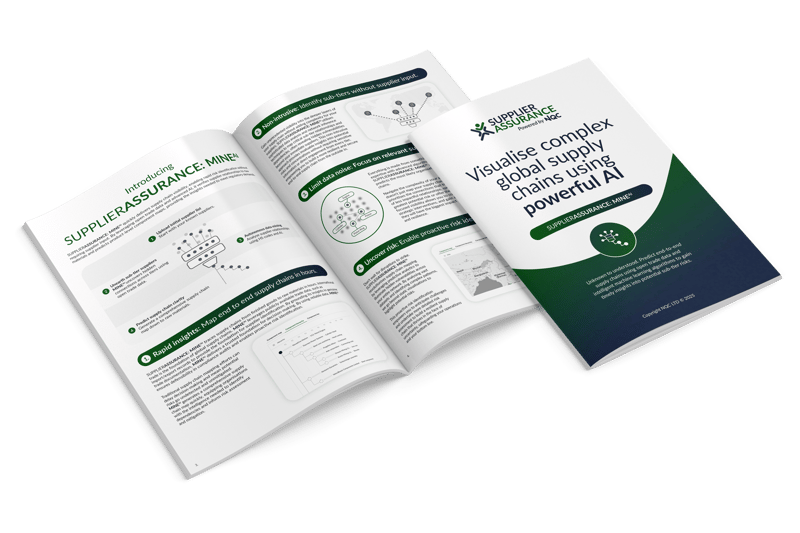
MINEAI
AI-powered supply chain risk detection and predictive analytics.
.svg)
From AI-powered mapping to supplier-led assessments and independent verification, NQC’s SUPPLIERASSURANCE supply chain risk management solutions deliver full visibility, defensible compliance, and actionable insights across every tier of your supply chain.
Global supply chains are vast, but visibility often stops at direct suppliers. Blind spots, hidden dependencies, and high-risk trade routes can trigger supply chain disruptions without warning. These challenges are amplified by expanding regulations, geopolitical instability, environmental shocks, and rapid market shifts. Yet many organisations still rely on disconnected tools for mapping, auditing, and monitoring.
The result: gaps, delays, and exposure.
Staying competitive and compliant now demands one integrated approach that delivers insight, verification, and action in a single platform.
Global supply chain regulation is evolving rapidly. Get the latest on everything shaping global supply chains, from new regulations and tariffs to sustainability trends and trade news. We update this section every week, so check back to stay informed and ahead of the curve.
The European Parliament and Council have finalized the EU Omnibus Simplification Package, significantly narrowing the scope of the CSRD and CSDDD to target only the largest corporations.
Key changes include focusing the CSRD on companies with over 1,000 employees and €450M turnover, while the CSDDD now only applies to those with over 5,000 employees and €1.5B turnover. This simplification protects smaller business partners from excessive information requests and removes the requirement for CSDDD-specific Paris Agreement-compatible transition plans.
Read our deep dive on the EU Omnibus Simplification Package.
Stay ahead of global directives & regulations. Explore our knowledge hub.
New U.S. tariffs: 10 % on lumber and 25 % on furniture, adding strain to global trade.
Stay ahead of global directives & regulations. Explore our knowledge hub.
Mercedes cuts CO₂ emissions by 40 % using low-carbon aluminium in its new electric CLA model.
Stay ahead of global directives & regulations. Explore our knowledge hub.
Malaysia’s palm oil sector welcomes the EU deforestation law delay, citing implementation concerns.
Stay ahead of global directives & regulations. Explore our knowledge hub.
Brazil pledges $1 billion toward the Tropical Forests Forever Facility to support rainforest conservation ahead of COP30.
Stay ahead of global directives & regulations. Explore our knowledge hub.
EU aluminium producers push for a 30% levy on scrap exports after shipments hit a record 1.26 million tons in 2024, much of it bound for Asia.
Stay ahead of global directives & regulations. Explore our knowledge hub.
ExxonMobil escalates its opposition to the EU’s Corporate Sustainability Due Diligence Directive (CSDDD), warning of impacts on investment and supply chains.
Stay ahead of global directives & regulations. Explore our knowledge hub.
India’s IT sector faces disruption after the U.S. imposes a $100,000 fee on new H-1B visas, a move expected to trigger legal challenges and raise operating costs.
Stay ahead of global directives & regulations. Explore our knowledge hub.
The South American electric vehicle market is rapidly growing, exemplified by a 44% surge in sales (7,256 units) in Peru during the first nine months of the year.
This boom is fuelled by Chinese automakers who are shifting surplus production to the region due to domestic price wars and rising trade barriers in the US and Europe.
Stay ahead of global directives & regulations. Explore our knowledge hub.
The German government formally backed a one-year delay and a 2026 review of the EU's Deforestation Law (EUDL).
This decision, influenced by internal political dynamics, includes a push for lighter requirements for "mixed businesses" like hotels with forestry operations. Berlin's support may help secure a Council majority, potentially reopening the legislation and further simplifying its requirements.
Stay ahead of global directives & regulations. Explore our knowledge hub.
EU leaders are debating how to respond to China’s new restrictions on rare earth exports, seen as a form of economic coercion.
Germany may push for a strong collective stance despite its deep economic ties with Beijing. A high-level EU–China meeting was cancelled and replaced by expert talks in Brussels to ease rising tension.
Stay ahead of global directives & regulations. Explore our knowledge hub.
Rio Tinto has launched an internal investigation into alleged corruption at its Oyu Tolgoi copper project in Mongolia. The company has sought law enforcement assistance as it confronts years of political and operational challenges.
Despite record output, the mine’s future remains clouded by governance concerns.
Stay ahead of global directives & regulations. Explore our knowledge hub.
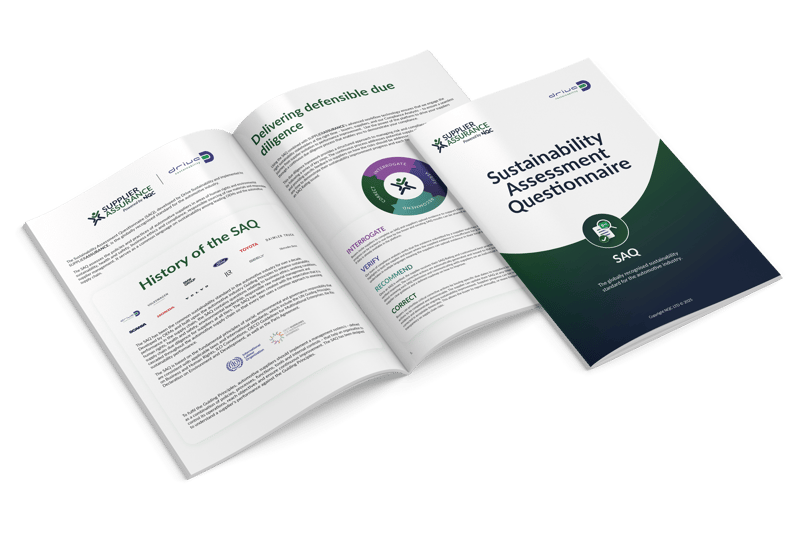
Powered by NQC, SUPPLIERASSURANCE supply chain software is an integrated platform that facilitates the supply chain due diligence cycle. While many platforms stop at AI mapping, SUPPLIERASSURANCE goes further by enabling supplier-led traceability, independent verification and corrective action tracking. It is aligned with the OECD risk-based framework of identification, risk assessment and mitigation, helping organisations strengthen transparency and respond to compliance requirements.
AI-powered supply chain risk detection and predictive analytics.

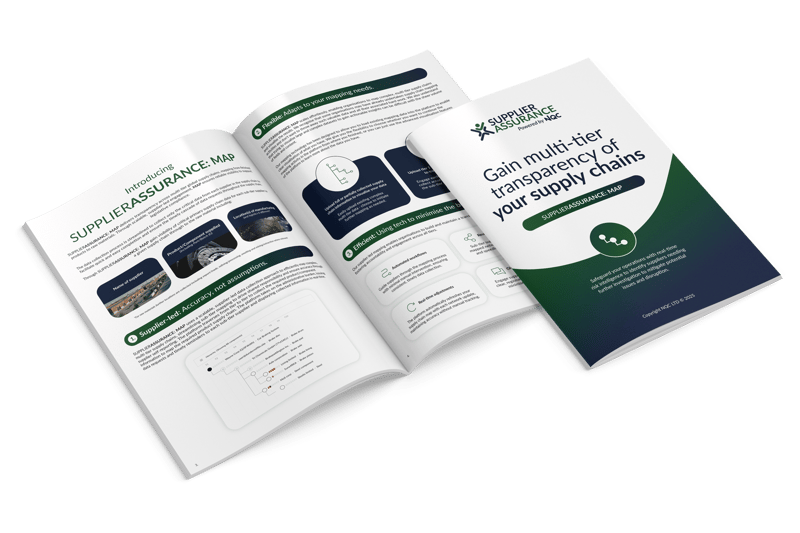
Multi-tier supply chain visibility and supplier mapping.

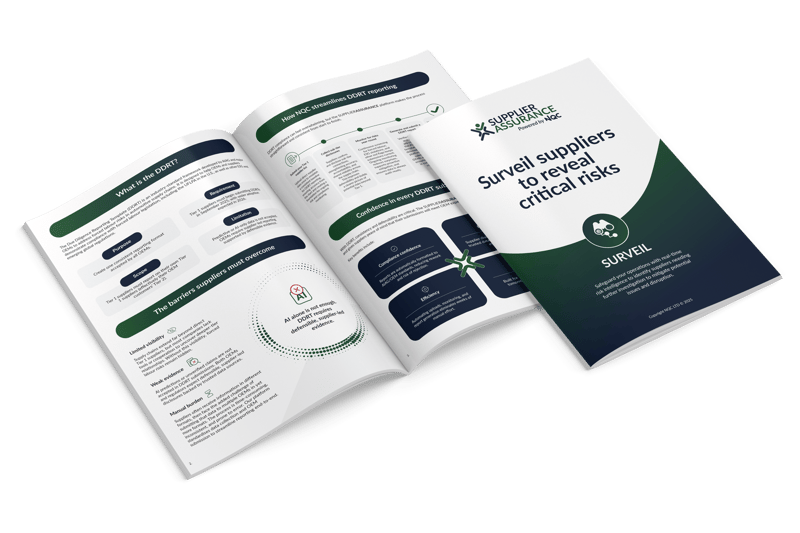
Continuous supplier risk monitoring and ESG tracking.

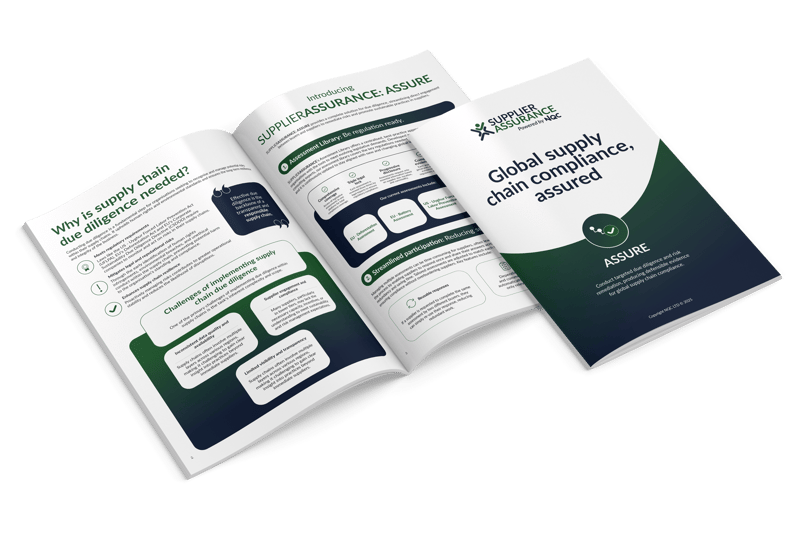
Trusted supplier audits, compliance checks, and corrective action support.

Global standard for supplier sustainability and responsible sourcing.

Standardised, defensible reporting to uncover forced labour risks across supply chains.


Every directive introduces unique requirements and risks. From deforestation and forced labour to carbon reporting and conflict minerals, compliance demands visibility across multiple tiers of the supply chain.
SUPPLIERASSURANCE combines MINEAI for AI-driven mapping, MAP for supplier-led traceability, SURVEIL for continuous risk monitoring, and ASSURE for independent verification to deliver audit-ready compliance and protect your business against regulatory risk worldwide.

Introduces tariffs on carbon-intensive imports, requiring importers to calculate and report embedded emissions for EU market access.

Requires companies to identify, prevent, and address human rights and environmental risks throughout their operations and supply chains.

Requires large companies to disclose their environmental and social impacts, ensuring transparency in sustainability reporting across global supply chains.

Mandates full lifecycle transparency for batteries, including raw material sourcing, recycling processes, and carbon footprint disclosure.

Requires companies to prove commodities are deforestation-free by providing geolocation data and mapping supply chains back to their source.

European legislation is tightening around human rights due diligence. Companies must identify, assess, and mitigate forced labour risks throughout their supply chain.
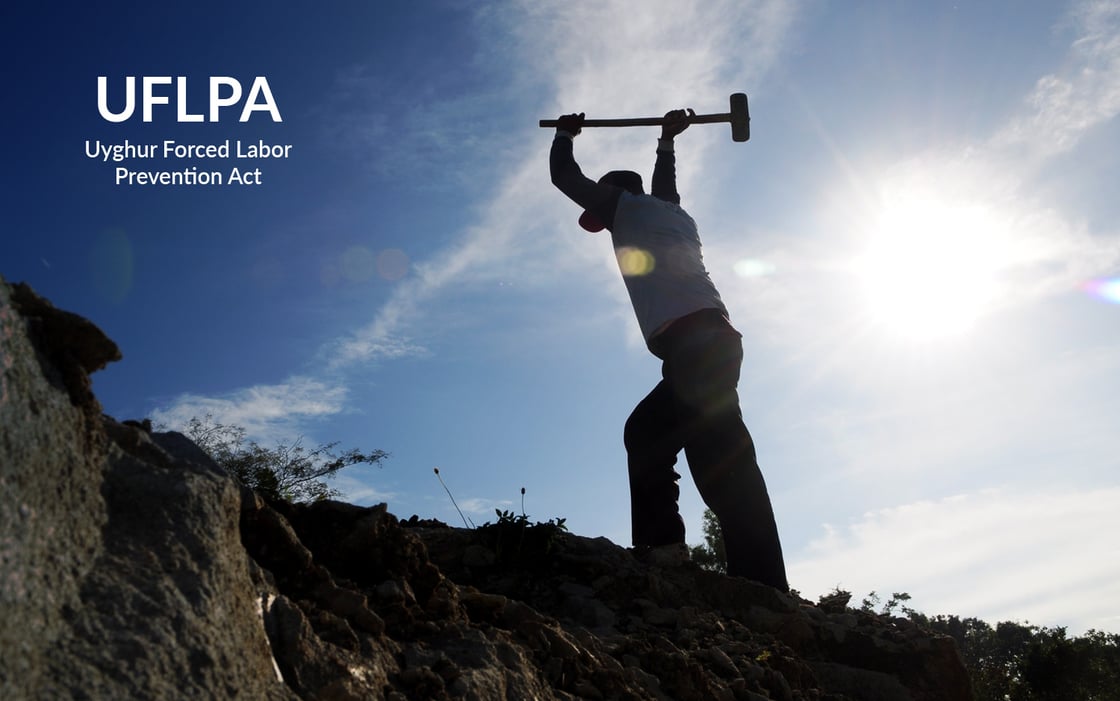
Mandates importers to demonstrate goods are free from forced labour in Xinjiang through detailed traceability and defensible evidence at U.S. borders.